By Ironcrest Roofing editorial team · · Commercial
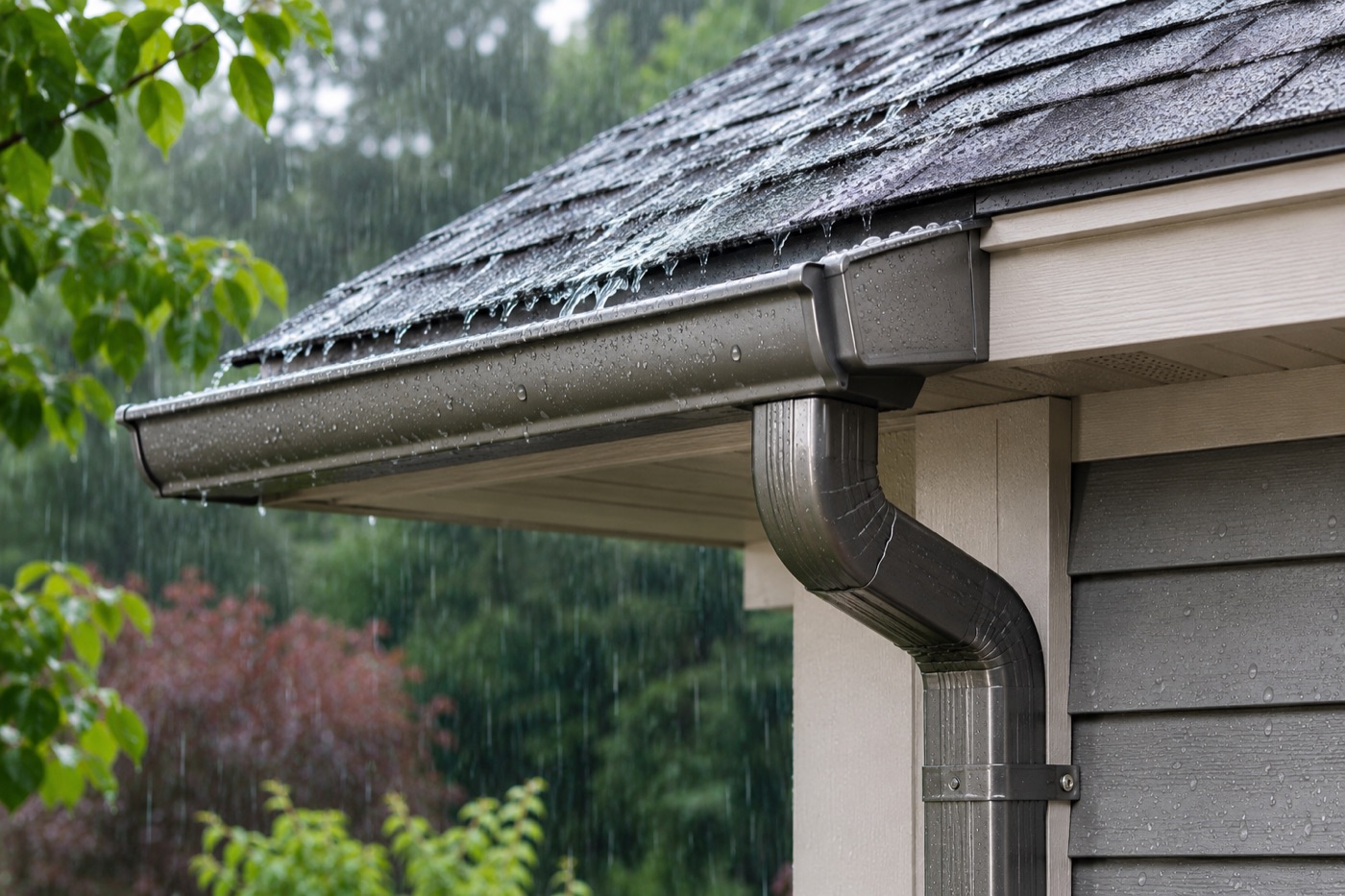
Low-slope roofs rely on carefully planned drainage rather than the steep fall of a typical pitched roof.
Start with the right questions
Low-slope roofs rely on carefully planned drainage rather than the steep fall of a typical pitched roof. Outlets, transitions and surrounding equipment all form part of that picture. Water remaining after rainfall should be discussed in context rather than diagnosed from one photograph.
Look at the whole picture
Debris, changes to rooftop equipment or variations in the roof surface may affect water movement. The cause needs to be understood before a repair is selected. A coating or local patch does not automatically correct an underlying drainage problem.
Practical next steps
Ask for an assessment of the water route and the condition of relevant details. Keep maintenance records and report changes promptly. Roof access should be limited to appropriately equipped people; routine observations from inside the building and safe ground locations can still provide useful information.
Talk to Ironcrest Roofing
Every property has its own construction, history and priorities. Ironcrest Roofing can discuss your roofing questions in Dallas and help you understand the next assessment step. Contact us with a description of the concern and any relevant records.
This guide provides general background rather than a diagnosis of an individual roof. The appropriate scope should follow an assessment of the actual property.
Explore our roofing services or get in touch with Ironcrest Roofing.