By Ironcrest Roofing editorial team · · Inspections
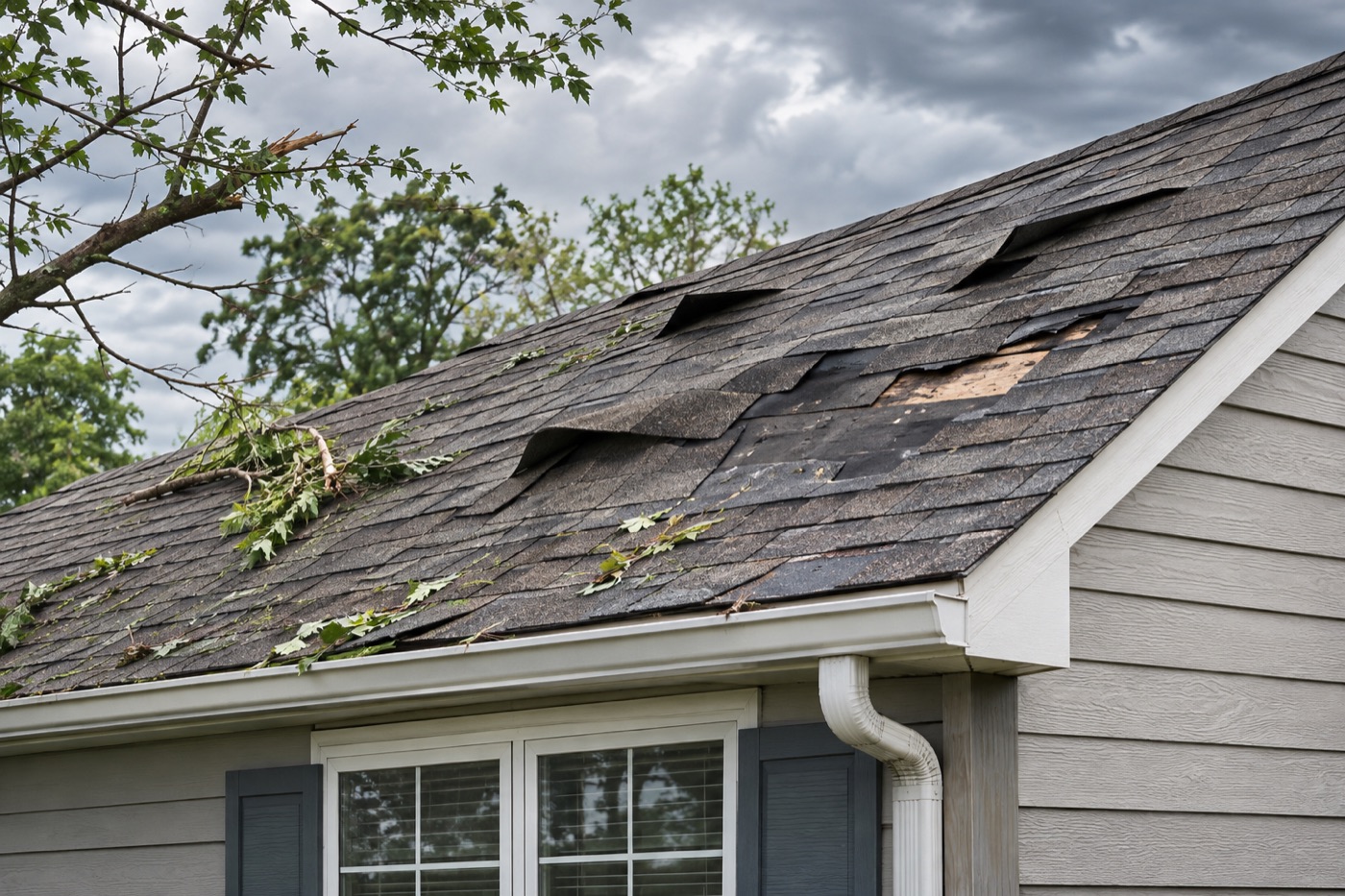
After severe weather, careful observations can help a roofer understand what changed.
Start with the right questions
After severe weather, careful observations can help a roofer understand what changed. Note the timing, visible debris and any new interior marks. Photographs from a safe location are useful, but they should not be treated as a complete damage assessment.
Look at the whole picture
Some changes may predate the storm and others may not be visible from the ground. A professional inspection should distinguish observed conditions from assumptions. Insurance decisions belong to the relevant policy and insurer, not a promise made by a roofing advertisement.
Practical next steps
Avoid climbing onto the roof or touching damaged electrical equipment. Keep receipts for any professional temporary work and maintain a dated record of communication. Ask the roofer to explain findings and the proposed scope separately from questions about potential coverage.
Talk to Ironcrest Roofing
Every property has its own construction, history and priorities. Ironcrest Roofing can discuss your roofing questions in Dallas and help you understand the next assessment step. Contact us with a description of the concern and any relevant records.
This guide provides general background rather than a diagnosis of an individual roof. The appropriate scope should follow an assessment of the actual property.
Explore our roofing services or get in touch with Ironcrest Roofing.